I had a student who always rushed through reviews. First one done. Half the answers are wrong. Never cared about accuracy.
Then I ran Coco Cabana and watched him slow down for the first time all year.
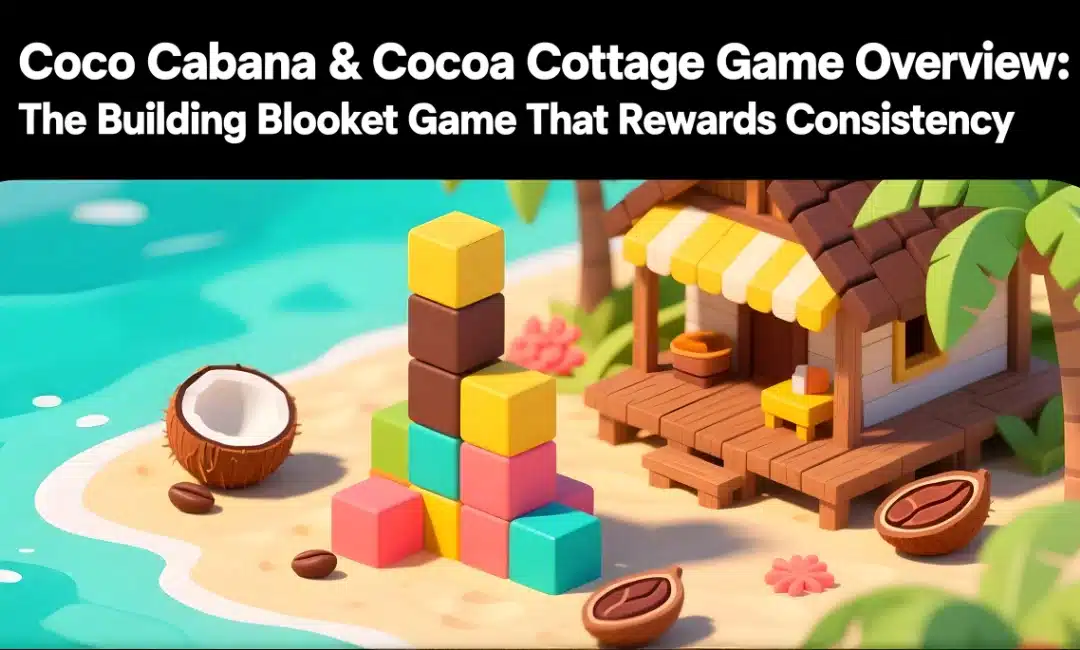
What Coco Cabana Actually Does
You answer questions correctly. You earn resources. You build a beach café.
But here’s what makes it different: Every correct answer matters equally.
No power-ups. No lucky breaks. No shortcuts.
Just consistent, accurate work building toward a visible goal.
Why the Building Mechanic Changes Behavior
Most games reward speed or lucky streaks.
Coco Cabana rewards sustained effort.
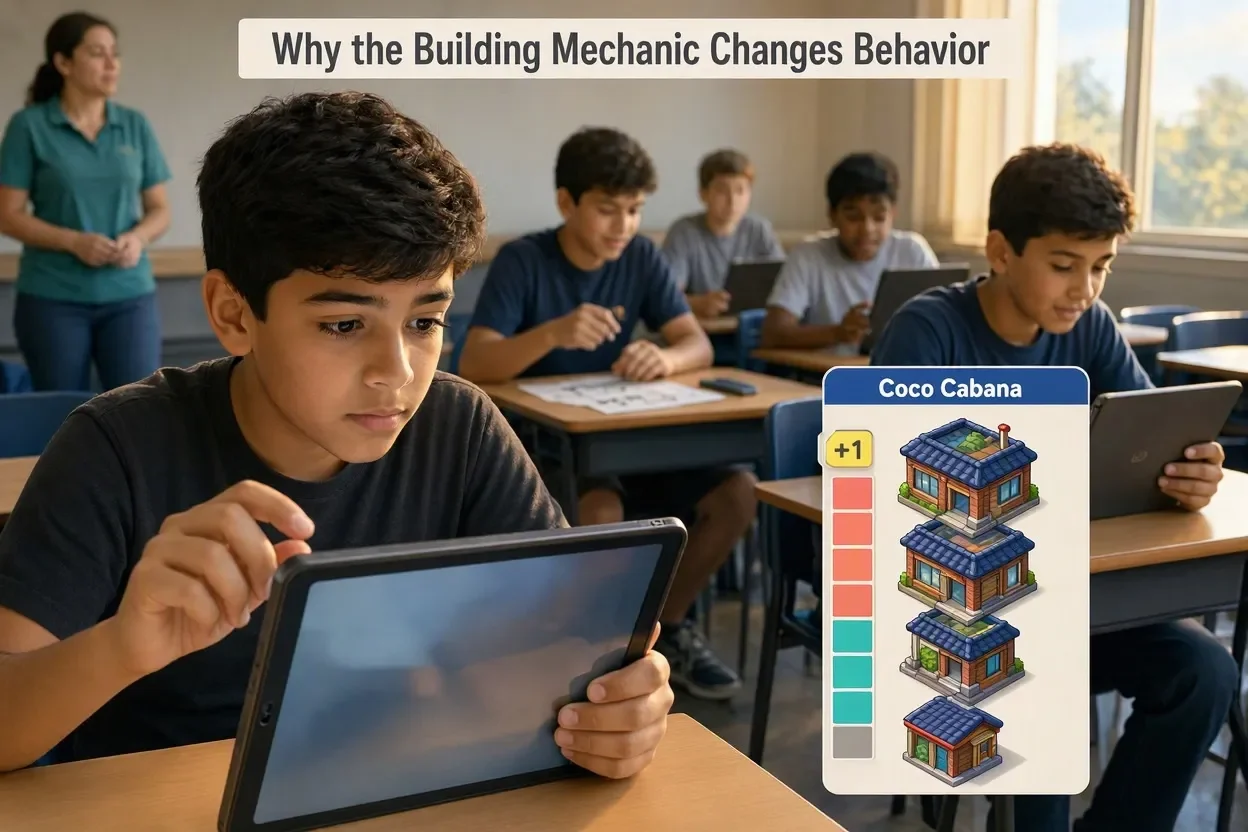
- Each correct answer adds to your building
- Wrong answers don’t subtract, but they waste time
- Your café grows visually with each success
- Progress is permanent and visible
I’ve watched impulsive students pause before answering because they want that next upgrade.
The visual progress bar does something threats and rewards never could.
The Cocoa Cottage Difference
Cocoa Cottage is the winter version. Same mechanics, different themes.
Some students respond to tropical vibes. Others prefer cozy winter aesthetics.
Having both options lets you match student preferences.
I alternate them seasonally. October through February? Cocoa Cottage.
March through September? Coco Cabana.
Same game. Fresh visual experience. Sustained engagement.
When These Modes Outperform Everything Else
Use them when:
- Students need to value accuracy over speed
- You want to reward consistent effort
- Building/collecting motivates your class
- Students need calm, focused practice
- Long-term progress matters more than instant wins
Skip them when:
- You need high-energy competition
- Speed is part of your learning goal
- Students don’t care about visual customization
- Time is extremely limited
I tried using this for a 10-minute quick review. Wrong choice.
These games need 15-20 minutes minimum. The building progression is the whole point.
My Strategic Setup Every Single Time
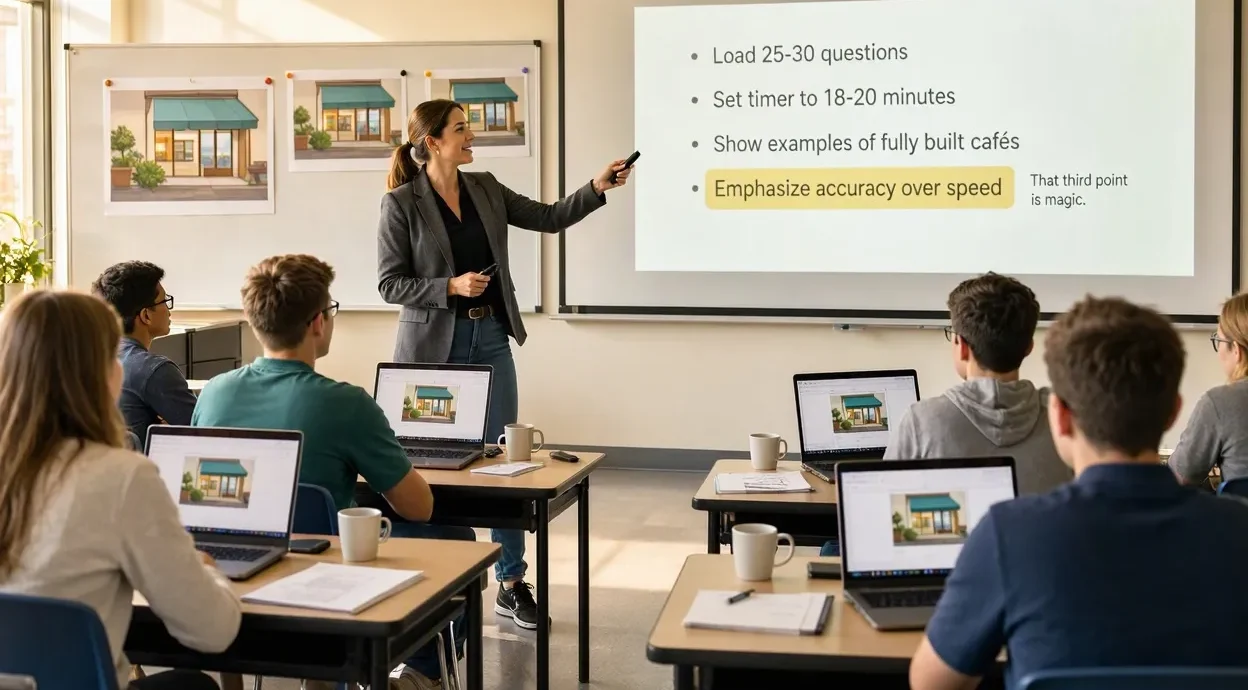
Here’s my Coco Cabana strategy:
- Load 25-30 questions (more than other modes—building takes time)
- Set timer to 18-20 minutes (don’t rush the construction)
- Show examples of fully built cafés (gives students a visual goal)
- Emphasize accuracy over speed (one sentence that changes behavior)
That third point is magic. When students see what’s possible, they care more.
I show screenshots from previous classes. Suddenly everyone wants a complete café.
The Progress Psychology That Hooks Students
Here’s what happens in their brains:
Question 1-5: Building the foundation. Feels slow but purposeful.
Question 6-15: Adding features. Visible progress. Dopamine hits.
Question 16-25: Final touches. They’re invested. They want to finish.
The Zeigarnik Effect in action.
Incomplete tasks create psychological tension. Students push through because their brain wants completion.
I’ve had students ask to keep playing after time runs out. That never happens with worksheets.
What Makes This Perfect for Certain Learners
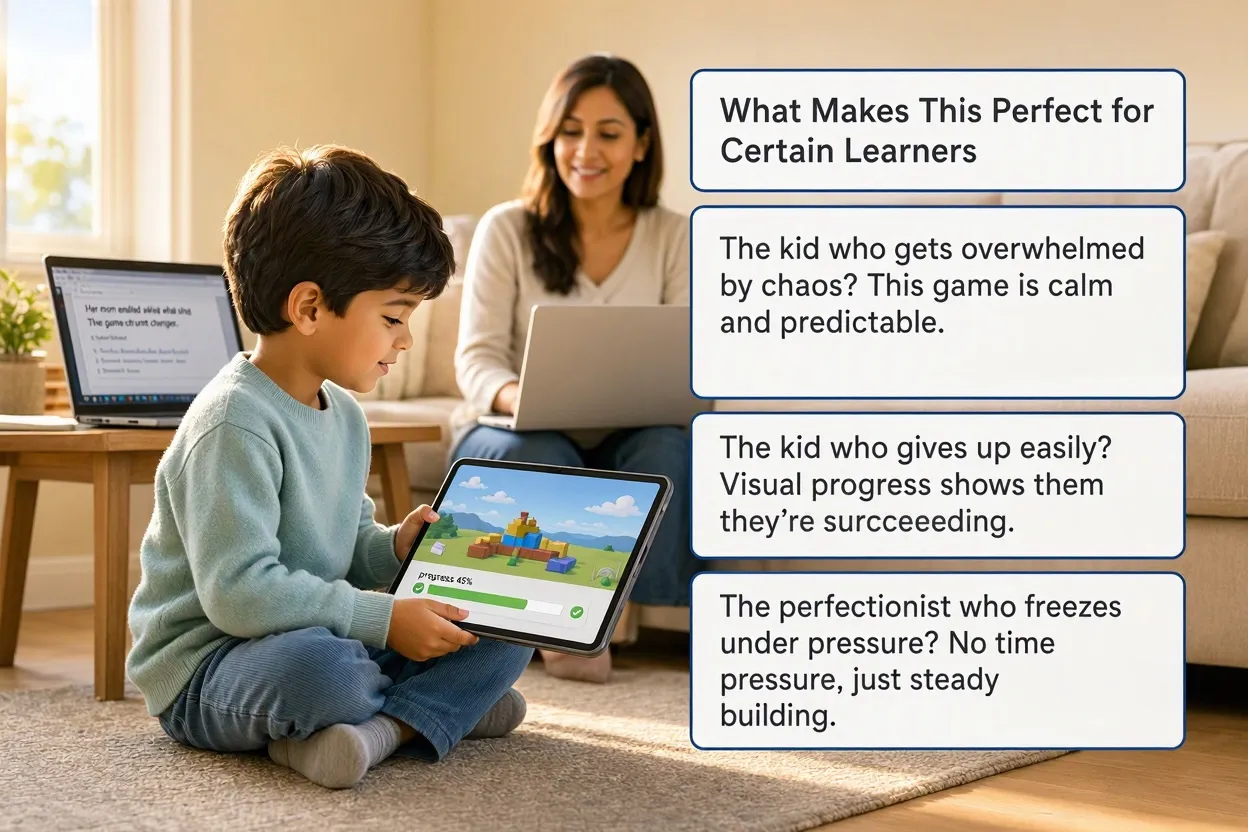
The kid who gets overwhelmed by chaos? This game is calm and predictable.
The kid who gives up easily? Visual progress shows them they’re succeeding.
The perfectionist who freezes under pressure? No time pressure, just steady building.
One student with severe test anxiety played this for 20 minutes without a single meltdown.
Her mom emailed asking what changed. The game structure changed.
The Customization Element Students Love
As you build, you make choices.
What color umbrellas? Which style tables? What decorations?
Read More Exciting Blogs at Blooket.